Signs You Might Need a Dental Crown and What to Expect

dental crowns

Dental crowns are a common solution in restorative dentistry, providing strength and protection to damaged teeth. If you’re experiencing dental issues but are unsure whether a crown is necessary, understanding the signs that indicate you might need one, along with what the procedure entails, can help you make informed decisions about your dental health.

What is a Dental Crown?

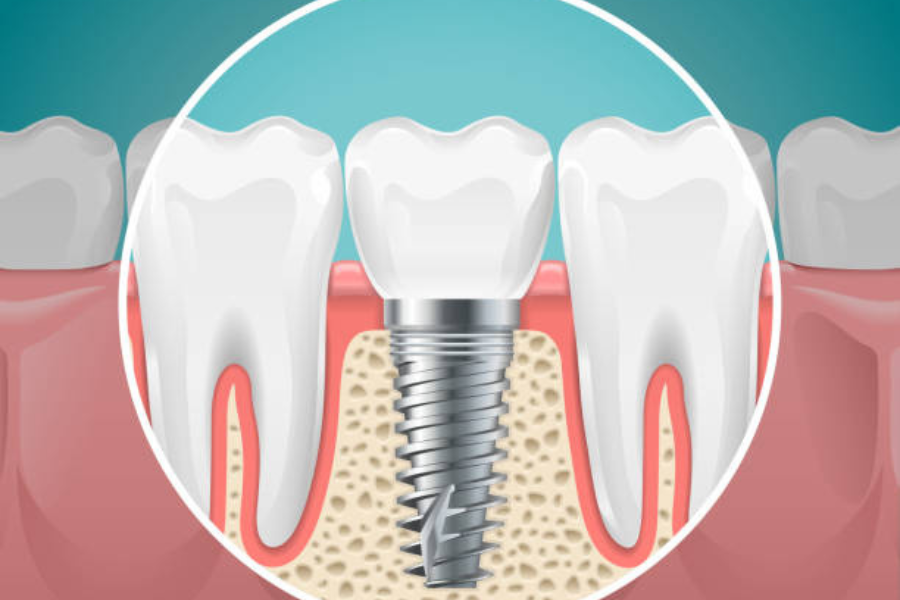
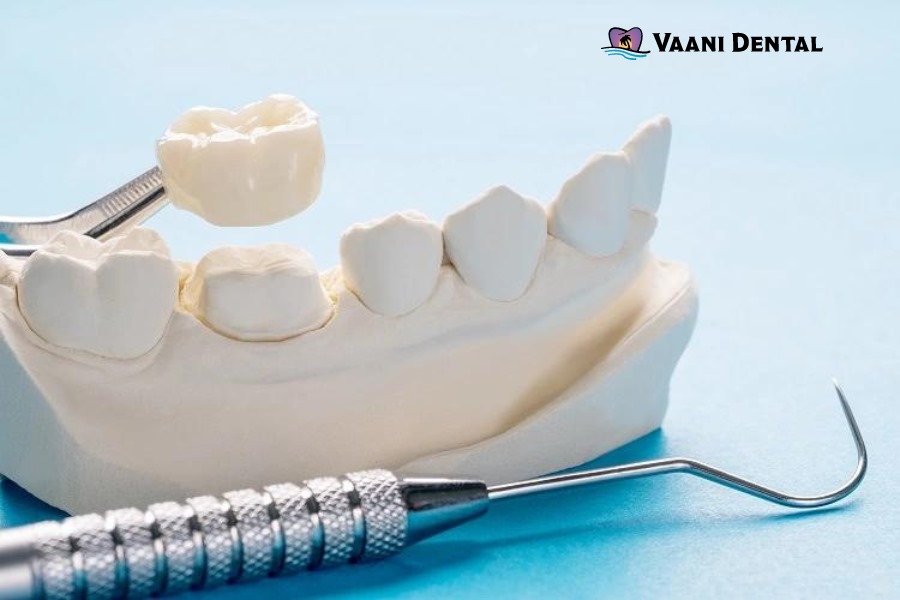
A dental crown is a cap placed over a tooth to restore its shape, size, strength, and appearance. Crowns can be made from various materials, including metal, porcelain, or a combination of both, and they are used for several reasons, from protecting weak teeth to improving aesthetics.

Signs You Might Need a Dental Crown

  1. Severe Tooth Decay If a cavity is too large for a filling, a dental crown may be necessary to restore the tooth’s function and prevent further decay. When tooth decay reaches the pulp or nerve, a crown is often recommended after root canal treatment.
  2. Cracked or Fractured Teeth Teeth can crack or fracture due to trauma, biting hard foods, or grinding. A dental crown can provide stability and protect the tooth from further damage. If you notice sensitivity or pain when chewing, it’s a sign that your tooth may need protection.
  3. Root Canal Treatment After undergoing a root canal, the tooth may become weaker. A crown is typically placed to reinforce the tooth and restore its natural appearance. This helps prevent future fractures and maintains the integrity of your smile.
  4. Worn Down Teeth Teeth can wear down due to excessive grinding (bruxism) or acidic foods. If your teeth appear shorter or more sensitive, a crown can help restore their original height and protect against further wear.
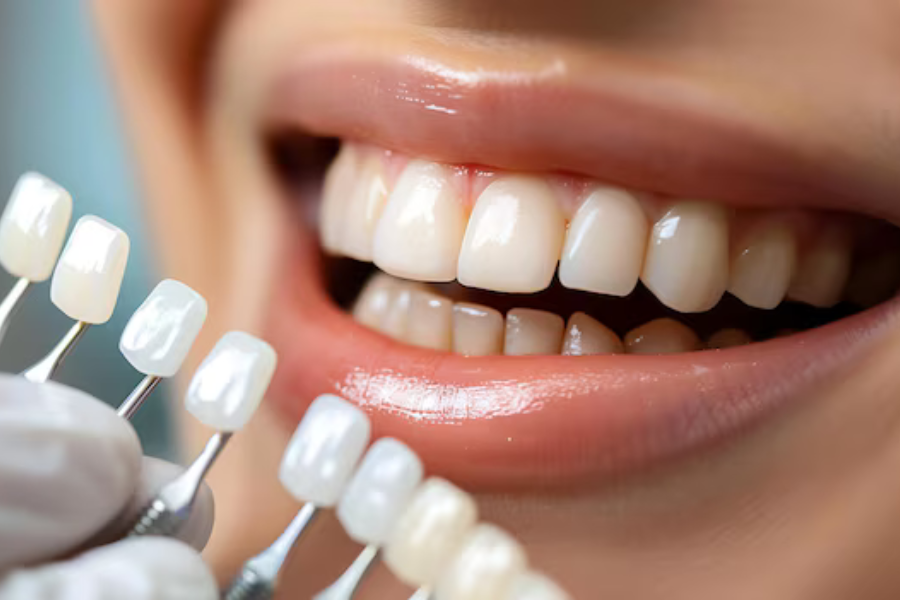
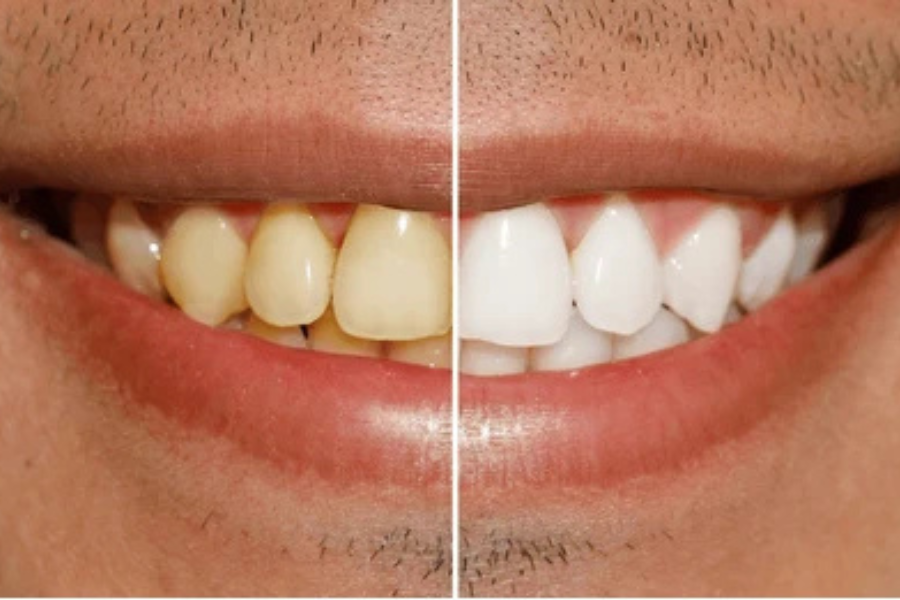
  5. Discolored or Misshapen Teeth If you have a tooth that is discolored or misshapen and it affects your confidence, a crown can improve its appearance. Porcelain crowns are particularly effective for creating a natural look that blends with your other teeth.
  6. Large Fillings When a tooth has a large filling, it may become structurally weak. A crown can cover the tooth and provide additional strength, ensuring that it can withstand the pressures of chewing without breaking.
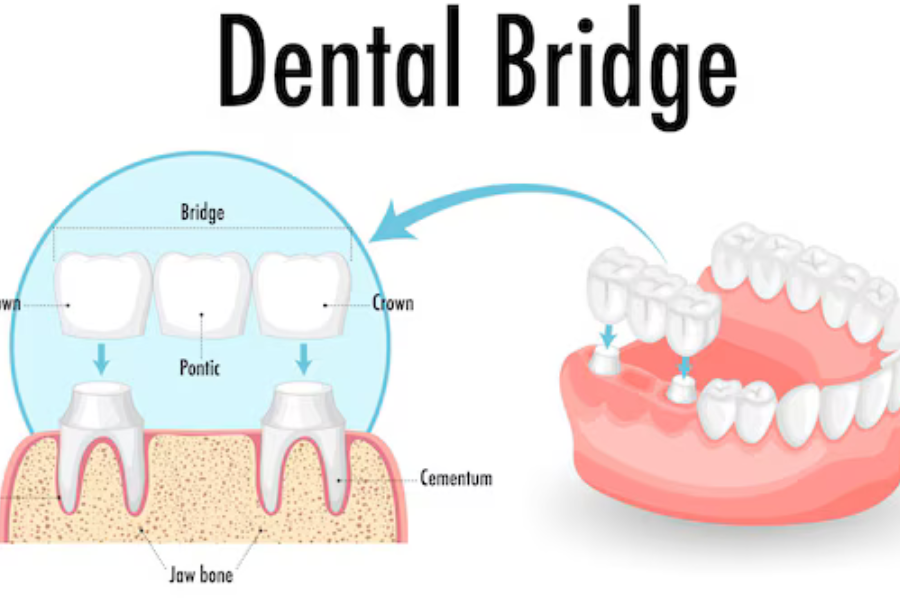
  7. Dental Bridge Support If you have a dental bridge, crowns are often used to anchor it to adjacent teeth. They help ensure that the bridge stays in place and functions effectively.

What to Expect During the Dental Crown Procedure

Initial Consultation

During your first visit, your dentist will conduct a thorough examination of your teeth, including X-rays, to assess the extent of damage or decay. They will discuss your options, including the type of crown that may be best for you, and create a treatment plan tailored to your needs.

Tooth Preparation

If a crown is deemed necessary, the next step involves preparing the tooth. This may include:

  1. Numbing the Area: Your dentist will apply a local anesthetic to ensure you are comfortable throughout the procedure.
  2. Shaping the Tooth: The dentist will remove any decay and shape the tooth to ensure a proper fit for the crown. If the tooth is severely damaged, they may add material to build it up.
  3. Taking Impressions: Once the tooth is prepared, your dentist will take impressions of your teeth. This can be done using a putty-like material or digital scanning technology. These impressions will guide the creation of your custom crown.
  4. Temporary Crown: While your permanent crown is being made, a temporary crown will be placed to protect the prepared tooth. This is typically made of acrylic or a similar material.

Receiving Your Crown

Once your custom crown is ready, usually after a week or two, you’ll return to the dentist for the final placement. During this appointment:

  1. Removal of Temporary Crown: Your dentist will remove the temporary crown.
  2. Fitting the Permanent Crown: The new crown will be checked for fit and color. Adjustments can be made to ensure it feels comfortable and looks natural.
  3. Cementing the Crown: Once satisfied with the fit, the crown will be permanently cemented onto your tooth.

Aftercare and Recovery

After your crown is placed, you might experience some sensitivity, especially if the tooth was previously damaged. This is normal and should subside within a few days. Here are some tips for aftercare:

  • Avoid Hard Foods: For the first few days, avoid chewing hard foods on the crowned tooth to allow it to settle in.
  • Maintain Oral Hygiene: Continue to brush and floss regularly, being gentle around the crown to keep it clean.
  • Regular Dental Checkups: Routine checkups are crucial to ensure the longevity of your crown and the health of your surrounding teeth.

Potential Risks and Considerations

While dental crowns are generally safe and effective, some risks include:

  • Sensitivity: Some patients may experience sensitivity to temperature changes for a few days after placement.
  • Crown Loosening: If the crown is not properly cemented, it may loosen over time, requiring a visit to the dentist for adjustments.
  • Color Matching: While efforts are made to match the crown to your natural teeth, there can be slight differences, especially if there is significant discoloration in surrounding teeth.

Conclusion

If you notice any signs that you might need a dental crowns, it’s essential to consult your dentist. Early intervention can prevent further complications and ensure your teeth remain healthy and functional. Understanding what to expect from the crown procedure can help ease any anxiety you might have and encourage you to prioritize your dental health. Remember, maintaining good oral hygiene and regular dental visits will help prolong the life of your crowns and contribute to a beautiful, healthy smile.

Top Tips for Keeping Your Child’s Teeth Healthy: A Pediatric Dentistry Guide

pediatric dentistry

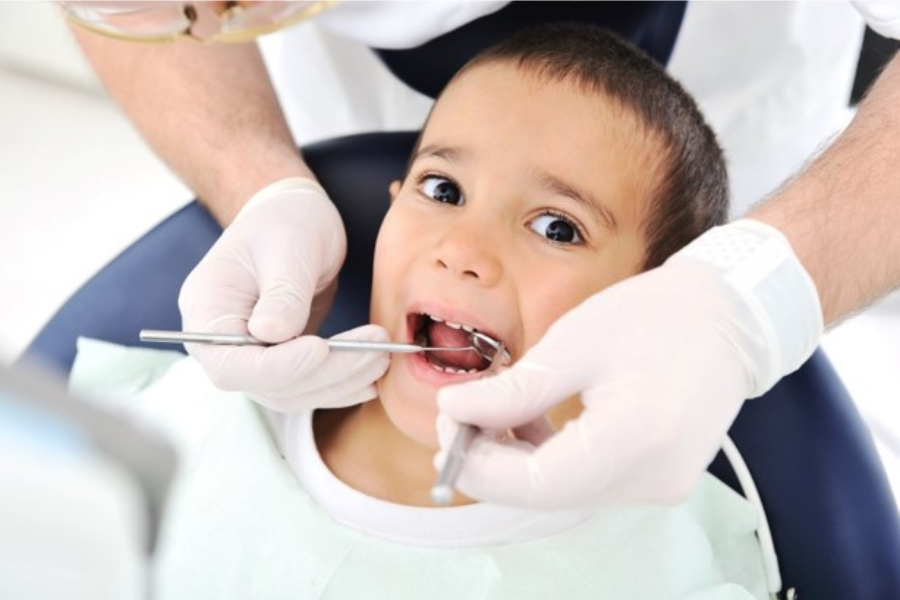
Maintaining your child’s dental health is crucial for their overall well-being. Healthy teeth and gums support not only their ability to chew and speak properly but also contribute to their self-confidence and general health. Pediatric dentistry focuses on the dental care needs of children from infancy through adolescence, offering strategies to ensure their teeth stay healthy. This guide provides essential tips for keeping your child’s teeth in top condition, based on expert advice and best practices in pediatric dentistry.

  1. Start Early with Oral Care

Begin caring for your child’s oral health even before their first tooth erupts. Gently wipe their gums with a soft, damp cloth after feedings to remove bacteria and sugars that can cause decay. Once the first tooth appears, start brushing with a small, soft-bristled toothbrush and water. The American Academy of Pediatric Dentistry (AAPD) recommends that you start using fluoride toothpaste when your child turns 2 years old, using only a pea-sized amount.

  1. Establish a Brushing Routine

Make brushing a fun and consistent part of your child’s daily routine. Aim for twice-a-day brushing—morning and night. Encourage your child to brush for two minutes each time, using a fluoride toothpaste. You might use a timer or play a short song to make the process more engaging. Supervise their brushing until they are around 7 to 8 years old to ensure they are brushing effectively.

  1. Choose the Right Toothbrush and Toothpaste

Select a toothbrush specifically designed for children, which typically has a smaller head and softer bristles. This ensures better access to all areas of the mouth while being gentle on their delicate gums. For toothpaste, use fluoride toothpaste to help strengthen tooth enamel and prevent cavities. Avoid using too much toothpaste, as swallowing fluoride in large amounts can be harmful.

  1. Encourage Healthy Eating Habits

Diet plays a significant role in dental health. Encourage your child to eat a balanced diet rich in fruits, vegetables, whole grains, and lean proteins. Limit sugary snacks and drinks, as these can contribute to tooth decay. Instead, offer healthy alternatives such as cheese, yogurt, and raw vegetables. Water is the best beverage for maintaining oral health and hydration.

  1. Promote Healthy Snacking

Frequent snacking on sugary or sticky foods can increase the risk of cavities. If your child does need a snack, opt for healthy choices that are less likely to cling to teeth. Encourage snacks that are low in sugar and high in nutrients, like apple slices, nuts, or whole-grain crackers. Establish regular meal times and limit snacks between meals to minimize the risk of tooth decay.

  1. Avoid Sugary Beverages

Sugary drinks, including soda and fruit juices, can erode tooth enamel and contribute to cavities. Encourage your child to drink water instead. If they do consume sugary beverages, have them drink it quickly rather than sipping slowly over a long period, which can increase the time sugar is in contact with their teeth.

  1. Teach Proper Flossing Techniques

Flossing helps remove food particles and plaque from between the teeth where a toothbrush can’t reach. Introduce flossing to your child’s routine as soon as their teeth begin to touch. Use child-friendly flossers or floss sticks to make the process easier. Supervise flossing until they are capable of doing it effectively on their own, usually around age 10.

  1. Regular Dental Checkups

Schedule regular dental checkups with a pediatric dentist starting around your child’s first birthday or within six months of their first tooth eruption. Regular visits help monitor dental development, identify potential issues early, and provide professional cleanings. Your pediatric dentist can also offer personalized advice based on your child’s specific needs.

  1. Protect Teeth with Sealants

Dental sealants are thin, protective coatings applied to the chewing surfaces of back teeth. They help prevent cavities by sealing out food particles and bacteria. Ask your pediatric dentist if sealants are a good option for your child, especially once their permanent molars come in.

  1. Use Mouthguards for Sports

If your child participates in sports, especially contact sports, consider using a mouthguard to protect their teeth from injury. Custom-fitted mouthguards offer the best protection, but there are also over-the-counter options available. Wearing a mouthguard can prevent chipped or broken teeth and other dental injuries.

  1. Educate Your Child About Dental Hygiene

Teach your child about the importance of dental hygiene and the role it plays in overall health. Explain why brushing, flossing, and healthy eating are essential. Make dental care a positive experience by using praise and encouragement, and by leading by example.

  1. Address Dental Issues Promptly

If you notice any issues with your child’s teeth or gums, such as persistent pain, discoloration, or swelling, consult with a pediatric dentist promptly. Early intervention can prevent more serious problems and ensure your child maintains a healthy smile.

  1. Limit Pacifier Use and Thumb Sucking

Prolonged use of pacifiers or thumb sucking can affect the alignment of your child’s teeth and their oral development. If your child is still using a pacifier after age 2 or continues thumb sucking beyond this age, consult with your pediatric dentist for guidance on how to address these habits.

  1. Be a Role Model

Children learn by example, so make sure you are practicing good dental hygiene yourself. Brushing and flossing together can make the routine more enjoyable and reinforce the importance of oral care. Your positive attitude towards dental health will encourage your child to adopt the same habits.

  1. Stay Informed About Dental Health

Dental care guidelines and recommendations may change over time. Stay informed about the latest in pediatric dentistry and consult your child’s dentist if you have any questions or concerns. Regularly updating your knowledge will help you make the best decisions for your child’s dental health.

Conclusion

Keeping your child’s teeth healthy involves a combination of good oral hygiene practices, a balanced diet, regular dental visits, and proper education. By following these top tips, you can help ensure that your child develops a lifetime of strong, healthy teeth. Remember, pediatric dental care is not just about preventing problems—it’s about fostering good habits that will benefit your child’s overall health and confidence for years to come.

When Should You Consider Tooth Extraction? 5 Critical Signs to Watch For

What is Tooth Extraction?

Tooth extraction is one of those dental procedures that nobody looks forward to, yet it’s sometimes the best option for maintaining your overall oral health. But how do you know when it’s time to say goodbye to a tooth? Let’s dive into the world of tooth extraction and discover when you should seriously consider it.

When and Why Tooth Extraction is Necessary

Tooth extraction involves the removal of a tooth from its socket in the bone. This might sound intimidating, but it’s a common procedure performed by dentists and oral surgeons. The need for extraction arises when a tooth is damaged beyond repair, whether due to decay, trauma, or other dental issues. But timing is crucial; knowing when to act can make a world of difference to your oral health.

Why Timing Matters in Tooth Extraction

Timing is everything when it comes to tooth extraction. Waiting too long can lead to further complications, including infection, pain, and even damage to surrounding teeth. On the flip side, extracting a tooth too early, without exploring all other options, might leave you with regrets. So, when is the right time to consider extraction?

5 Critical Signs You Might Need a Tooth Extraction

Here are five critical signs that it might be time to consider tooth extraction:

Sign 1 – Severe Tooth Pain
When Pain Becomes Unbearable

Severe tooth pain is often a red flag. If you’re experiencing constant, throbbing pain that doesn’t go away with painkillers, it might be time to visit your dentist. Persistent pain can indicate deep decay, infection, or nerve damage, all of which might necessitate extraction.

Sign 2 – Advanced Tooth Decay
When Decay Can No Longer Be Treated

Tooth decay is a sneaky enemy. It starts small, but if left unchecked, it can spread and eat away at your tooth. When decay reaches a stage where fillings, inlays, or even crowns can’t save the tooth, extraction becomes the only viable option.

Sign 3 – Gum Disease (Periodontal Disease)

When Gum Disease Threatens Your Teeth

Gum disease, particularly in its advanced stages, can wreak havoc on your teeth. As the disease progresses, it can cause your teeth to become loose due to the deterioration of the supporting structures. When a tooth becomes too loose, extraction might be necessary to prevent further damage to your gums and surrounding teeth.

Sign 4 – Impacted Wisdom Teeth

When Wisdom Teeth Cause More Harm Than Good

Wisdom teeth are the last molars to emerge, usually in your late teens or early twenties. Often, there isn’t enough room for them to come in properly, leading to impaction, where the teeth remain trapped in the gum or bone. Impacted wisdom teeth can cause pain, swelling, and even infections, making extraction the best course of action.

Sign 5 – Tooth Infection (Abscessed Tooth)

When Infection Takes Over

An abscessed tooth is a serious condition that occurs when infection reaches the root of a tooth. This can cause intense pain, swelling, and pus formation. In severe cases, the infection can spread to other parts of the body. If the infection is too advanced, a root canal may not be enough to save the tooth, and extraction might be necessary to prevent further complications.

What to Expect During a Tooth Extraction

So, you’ve decided—or your dentist has recommended—that extraction is the way to go. What now?

Understanding the process can help ease your anxiety.

The Tooth Extraction Process

Tooth extraction is generally a straightforward procedure, but it can vary depending on the complexity of the case. Here’s a breakdown of what to expect:

Types of Tooth Extractions

There are two main types of tooth extractions: simple and surgical.

• Simple Extraction: This is performed on a tooth that is visible in the mouth. It’s typically done under local anesthesia, and the dentist uses an instrument called an elevator to loosen the tooth, then forceps to remove it.

• Surgical Extraction: This is more complex and is performed on teeth that are not easily accessible, such as impacted teeth. It often requires a small incision into the gum and possibly the removal of some bone around the tooth.

The Role of Anesthesia in Tooth Extraction

Worried about pain? Don’t be. Whether it’s a simple or surgical extraction, your dentist will use anesthesia to ensure the procedure is as comfortable as possible. Local anesthesia is usually sufficient, but in more complex cases, sedation or general anesthesia might be used.

Aftercare and Recovery

The extraction is just the beginning. Proper aftercare is crucial for a smooth recovery.

Immediate Aftercare Tips

After your tooth is removed, your dentist will give you specific instructions to follow. These might include:

• Biting on gauze: To control bleeding, you’ll need to bite on gauze for 30-45 minutes after the procedure.

• Avoiding rinsing and spitting: For the first 24 hours, avoid rinsing your mouth vigorously or spitting to prevent dislodging the blood clot that forms in the socket.

• Applying ice: Ice packs can help reduce swelling and discomfort.

Long-Term Recovery

Healing from a tooth extraction typically takes a few days, but it can take up to two weeks for the site to fully heal.

During this time:

• Eat soft foods: Stick to a diet of soft foods like yogurt, mashed potatoes, and soup to avoid irritating the extraction site.

• Avoid straws and smoking: These actions can dislodge the clot and lead to a painful condition known as dry socket.

• Keep the area clean: Gently rinse with salt water starting 24 hours after the extraction to keep the area clean.

Alternatives to Tooth Extraction

Tooth extraction isn’t always the only option. Depending on the condition of your tooth, your dentist might suggest alternatives that can save your tooth.

Root Canal Therapy

Root canal therapy is often the go-to alternative to extraction. It involves removing the infected pulp inside the tooth, cleaning, and sealing it. This can save a tooth that would otherwise need to be extracted due to infection.

Dental Crowns

If your tooth is damaged but not beyond repair, a dental crown might be an option. Crowns can restore the function and appearance of a tooth that has been compromised by decay, cracks, or large fillings.
Tooth extraction is a common but significant dental procedure. Knowing when to consider extraction can save you from a world of pain and further dental issues down the line. Whether it’s severe pain, advanced decay, gum disease, impacted wisdom teeth, or a tooth infection, these signs should prompt you to consult your dentist. And remember, it’s not always the end of the road for your tooth—alternatives like root canals and crowns can sometimes save the day.

We are required by federal and state law to maintain the privacy and security of your protected health information.

You will be provided with the full privacy practices notice upon booking your appointment with us.

X