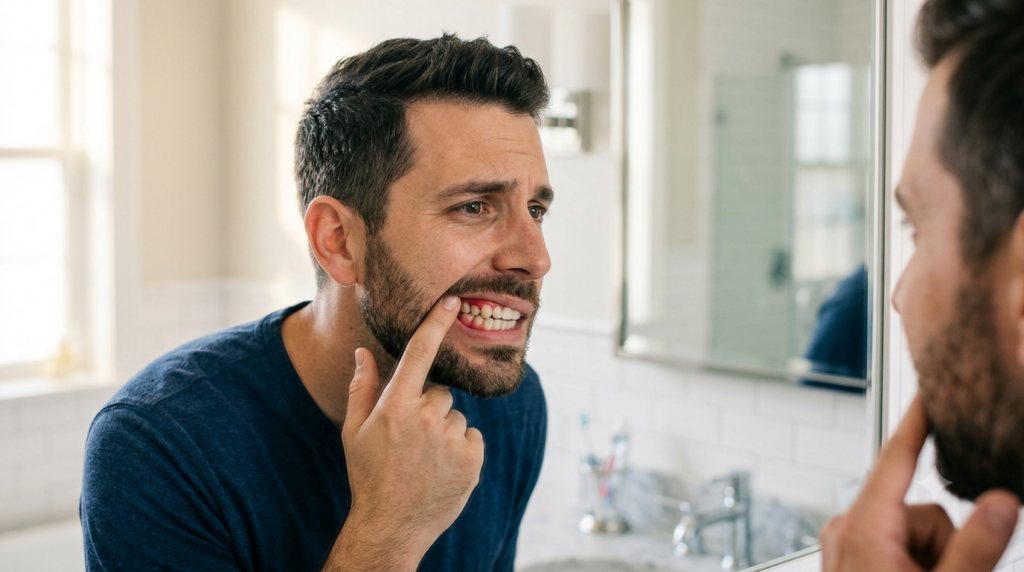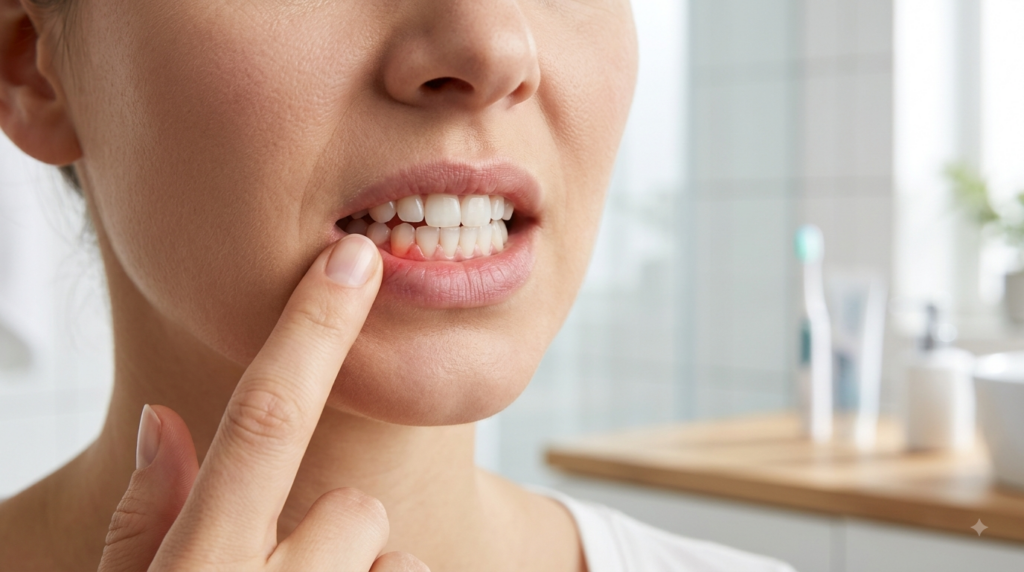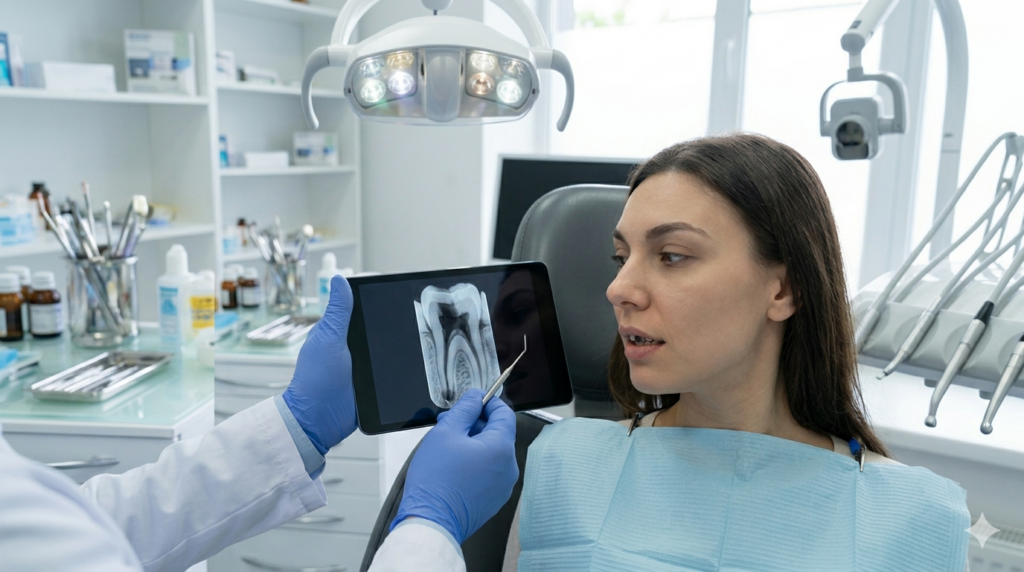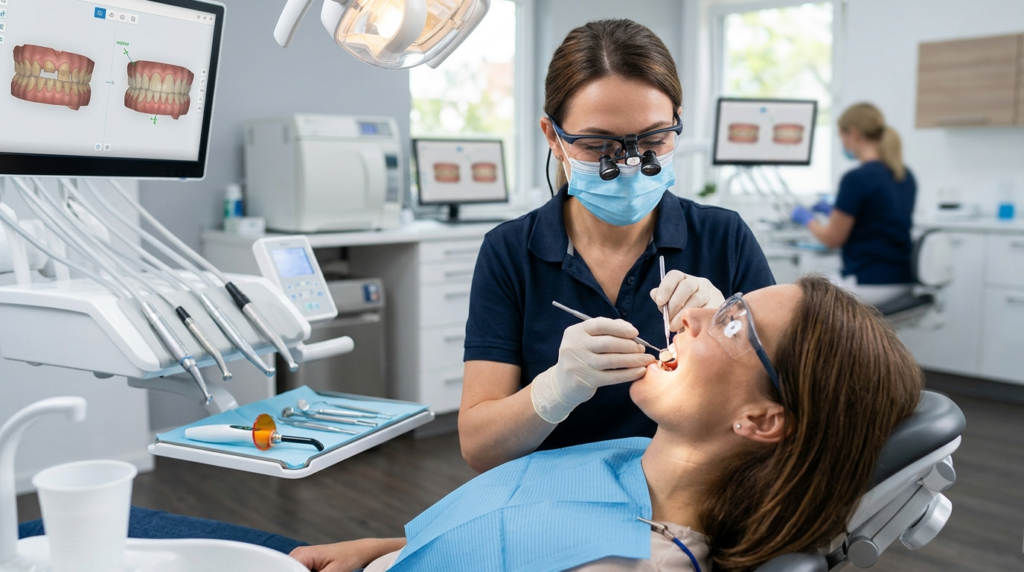
Teeth are designed to handle years of chewing, biting, and everyday use. However, habits such as teeth grinding, frequent exposure to acidic foods, and natural wear over time can gradually weaken the tooth structure. As the enamel wears down, teeth may become shorter, develop uneven edges, or become more sensitive.
A dental crown is often recommended to restore a damaged tooth, but it is not always the only option. Depending on how much healthy tooth structure remains, a worn tooth may be rebuilt using more conservative treatments that preserve more of the natural tooth.
So, when can a worn tooth be repaired without a crown, and how do you know which treatment is right for you? Let’s explore the options.
What Causes Teeth to Wear Down?
Before choosing a treatment, it is important to understand why the tooth has worn down in the first place. Different causes can affect the enamel and underlying tooth structure in different ways.
Common causes include:
- Teeth grinding (bruxism): Repeated clenching or grinding can flatten biting surfaces, create cracks, and wear away enamel.
- Acid erosion: Frequent consumption of acidic drinks and foods, acid reflux, or repeated vomiting can soften and gradually dissolve enamel.
- Abrasion: Brushing aggressively or using overly abrasive dental products may contribute to the loss of tooth structure.
- Attrition: Normal contact between opposing teeth can cause gradual wear, particularly over many years.
- Previous dental damage: Existing fillings, fractures, or weakened areas may contribute to further breakdown.
Identifying the cause is essential because rebuilding the tooth without addressing the underlying problem may lead to repeated damage.
Can a Worn Tooth Be Rebuilt Without a Crown?
Yes. In selected cases, a dentist can restore a worn tooth without covering the entire tooth with a crown. The most suitable option depends on the extent of the damage, the tooth’s location, your bite, and the amount of healthy enamel and dentin remaining.
Here are some commonly used alternatives.
1. Composite Bonding
Composite bonding involves applying a tooth-coloured resin directly to the affected area. The dentist shapes the material to restore the tooth’s original contour, length, or appearance.
This approach can work well for minor to moderate wear, small chips, uneven edges, and selected cases of front-tooth damage.
Benefits of composite bonding:
- Preserves more natural tooth structure.
- Usually requires little or no removal of healthy enamel.
- Can often be completed in a single appointment.
- Matches the colour of surrounding teeth.
However, composite resin can stain, chip, or wear down over time. It may not be suitable for teeth experiencing severe grinding forces or extensive structural damage.
2. Dental Veneers
Dental veneers are thin shells, usually made from porcelain or composite material, that cover the front surfaces of teeth. They can improve the appearance of worn, shortened, or uneven front teeth.
Veneers may be appropriate when wear mainly affects the visible front surface and enough healthy tooth structure remains to support the restoration.
They can improve tooth shape, length, and colour while generally covering less of the tooth than a full crown.
However, veneers are not suitable for every worn tooth. Significant bite problems, extensive damage, or severe grinding may increase the risk of fractures or debonding. Some veneer treatments also require permanent enamel removal.
3. Inlays and Onlays
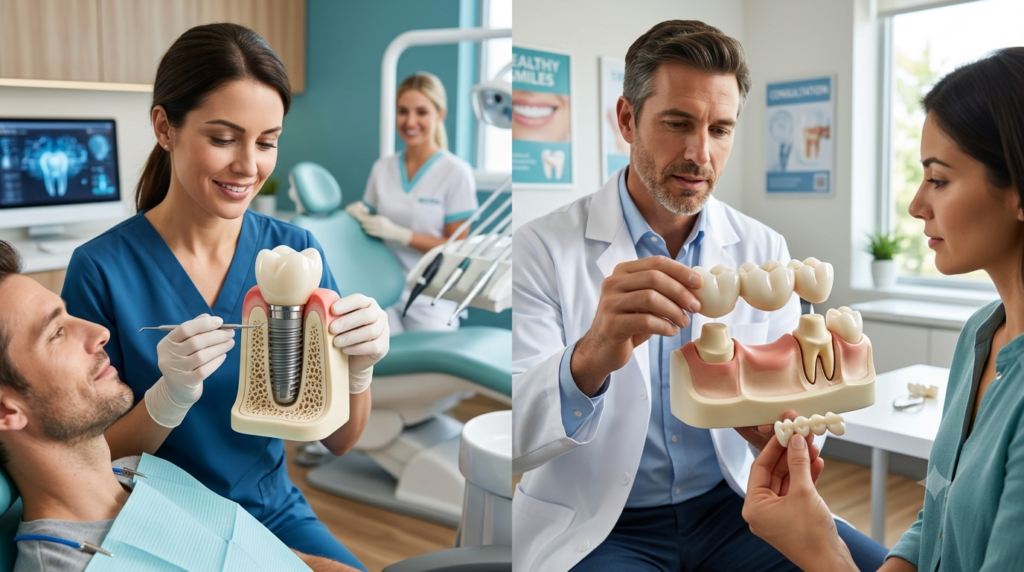
When wear or damage affects the chewing surface of a back tooth, an inlay or onlay may provide a more conservative alternative to a full crown.
An inlay fits within the prepared area between the tooth’s cusps, while an onlay extends over one or more cusps to protect weakened areas.
These restorations are commonly made from ceramic or other suitable dental materials and are designed to restore the tooth’s shape and function.
An onlay can be particularly useful when a tooth needs more protection than a filling can provide, but enough healthy structure remains to avoid covering the entire tooth with a crown.
4. Direct Composite Build-Ups
For teeth that have gradually become shorter due to grinding or erosion, a dentist may use composite resin to rebuild the missing tooth structure. In selected cases, this approach can restore tooth height and improve the way the upper and lower teeth meet.
A direct composite build-up may be considered for individual teeth or as part of a broader treatment plan for multiple worn teeth.
However, rebuilding the bite requires careful assessment. Increasing tooth height without proper planning can create discomfort or excessive forces on the restored teeth. Some cases may require staged treatment and follow-up adjustments.
When Is a Dental Crown Still Necessary?
Although alternatives exist, a crown may be the more predictable option when a tooth has lost a substantial amount of its structure.
Your dentist may recommend a crown if the tooth has extensive damage, large existing fillings, significant cracks, or insufficient healthy structure to support a more conservative restoration. Teeth that have undergone root canal treatment may also require additional protection, depending on the tooth’s location and remaining structure.
The goal is not simply to avoid a crown. It is to choose a restoration that protects the tooth and functions reliably over time.
How Can You Prevent Further Tooth Wear?
Once a worn tooth has been rebuilt, preventing additional damage is just as important as the restoration itself.
Consider these preventive measures:
- Address teeth grinding: A dentist may recommend a custom night guard to protect your teeth while you sleep.
- Reduce acid exposure: Limit frequent acidic drinks and avoid brushing immediately after consuming acidic foods or beverages. Rinse with water and wait around 30–60 minutes before brushing.
- Use a soft-bristled toothbrush: Brush gently with fluoride toothpaste to help protect the remaining enamel.
- Attend regular dental checkups: Routine examinations can identify early signs of wear, cracks, and restoration damage.
- Manage underlying causes: If acid reflux or another health condition contributes to enamel erosion, seek appropriate medical advice.
A worn tooth does not automatically need a dental crown. Composite bonding, veneers, inlays, onlays, and direct composite build-ups can all be suitable options in selected cases.
The right treatment depends on how much tooth structure remains, what caused the wear, and how much protection the tooth needs. A conservative restoration may preserve more of your natural tooth, but extensive damage may require a crown for better support.
Have you noticed flattened teeth, chipped edges, or increasing tooth sensitivity? Schedule a dental consultation to assess the damage and explore the most appropriate restoration options. Treating tooth wear early can help preserve your natural teeth and protect your smile for the long term.