How Hormonal Changes Affect Gum Health in Women

How Hormonal Changes Affect Gum Health in Women

Hormones play a major role in many functions of the female body—from mood and metabolism to pregnancy and menopause. But one area many women don’t realize is affected by hormonal fluctuations is oral health, especially the gums. In fact, hormonal changes can make gums more sensitive, inflamed, and prone to infection.

Understanding how hormones impact gum health can help women take the right preventive steps and avoid long-term dental issues. Whether it’s puberty, pregnancy, menstruation, or menopause, gum health can shift dramatically during different life stages.

The Connection Between Hormones and Gum Health

Hormonal changes can increase blood flow to the gum tissues and alter how the body reacts to plaque and bacteria. Even when oral hygiene habits stay the same, hormone fluctuations may make gums more reactive and more likely to develop inflammation.

This is why women often experience gum issues during major hormonal phases. The most common gum conditions linked to hormones include:

  • swollen gums
  • gum tenderness
  • bleeding while brushing or flossing
  • increased plaque buildup
  • gum infections
  • gum recession

Let’s explore the major life stages where hormone changes influence gum health.

  1. Puberty and Gum Sensitivity

During puberty, estrogen and progesterone levels rise sharply. This can cause gums to become more sensitive and reactive to plaque.

Common gum symptoms during puberty include:

  • red or swollen gums
  • bleeding gums
  • increased gum irritation

Teen girls may notice their gums becoming inflamed even if they brush regularly. The key is maintaining consistent brushing, flossing, and routine dental cleanings during these years.

  1. Menstrual Cycle and Gum Inflammation

Many women experience subtle oral changes during their monthly cycle. Hormonal fluctuations just before menstruation can cause temporary gum sensitivity.

Signs may include:

  • gum swelling
  • mild bleeding
  • sore gums
  • mouth ulcers (in some cases)

This condition is often referred to as menstrual gingivitis. The symptoms typically improve once the menstrual cycle begins, but maintaining oral hygiene is essential to prevent long-term gum problems.

  1. Pregnancy and “Pregnancy Gingivitis”

Pregnancy is one of the most common times women experience gum issues. Hormone levels rise significantly, which increases blood circulation in the gums and makes them more prone to inflammation.

Pregnancy-related gum changes may include:

  • puffy or bleeding gums
  • redness and soreness
  • increased sensitivity while brushing
  • bad breath due to bacteria buildup

This is known as pregnancy gingivitis, and it often appears during the second trimester. If not managed, it can progress into more serious gum disease.

Pregnancy Tumors (Benign Growths)

Some women also develop small gum growths called pregnancy tumors, usually near the gumline. While they sound alarming, they are non-cancerous and often go away after delivery. However, they should still be evaluated by a dentist.

  1. Oral Health Risks During Pregnancy

Pregnancy does not directly cause gum disease, but it increases susceptibility. If plaque buildup is present, hormones can make gum inflammation worse.

Untreated gum disease during pregnancy has been linked to increased risk of complications, including:

  • premature birth
  • low birth weight
  • pregnancy-related inflammation issues

This is why dental cleanings and gum care during pregnancy are strongly recommended and considered safe.

  1. Birth Control and Gum Changes

Hormonal birth control methods such as pills, injections, or implants can mimic pregnancy-like hormone changes. Some women may experience increased gum sensitivity, inflammation, or bleeding.

If you notice gum irritation after starting birth control, don’t ignore it. It may be an early sign that your gums are reacting to hormonal shifts combined with plaque buildup.

  1. Menopause and Gum Health Decline

Menopause brings a drop in estrogen levels, which can significantly affect oral tissues. Many women experience new gum and dental concerns during this stage.

Common gum-related symptoms during menopause include:

  • dry mouth
  • gum recession
  • increased tooth sensitivity
  • burning mouth sensation
  • bleeding gums
  • higher risk of gum disease

Low estrogen can also impact bone density, including the jawbone, which supports the teeth. This may contribute to loose teeth or worsening gum recession over time.

Why Hormonal Changes Increase Gum Disease Risk

Hormonal changes can weaken the body’s ability to fight off bacteria. When plaque sits on teeth and gums, it triggers inflammation. With hormone fluctuations, this inflammation can become more severe.

The result is a higher chance of developing:

  • gingivitis (early gum disease)
  • periodontitis (advanced gum disease)
  • tooth loss in severe cases

The good news is that gum disease is preventable with proper care.

How Women Can Protect Their Gum Health

Women can manage hormonal gum changes by staying proactive with oral care. Here are a few key steps:

Maintain Strong Daily Oral Hygiene

  • Brush twice daily using fluoride toothpaste
  • Floss daily to remove plaque between teeth
  • Use an antibacterial mouthwash if recommended

Don’t Skip Regular Dental Cleanings

Professional cleanings remove tartar buildup that brushing can’t eliminate. Cleanings are especially important during pregnancy and menopause.

Stay Hydrated and Manage Dry Mouth

Dry mouth increases bacteria and plaque buildup. Drinking water and using saliva substitutes can help.

Eat a Gum-Friendly Diet

Foods rich in calcium, vitamin D, and vitamin C support strong teeth and healthy gums. Avoid excess sugar, which increases plaque and inflammation.

Report Symptoms Early

If you notice bleeding, swelling, or persistent bad breath, see a dentist early. Early gum disease is easier to treat than advanced infection.

When to See a Dentist

You should schedule a dental visit if you experience:

  • gums bleeding regularly
  • swelling that lasts more than a few days
  • persistent gum pain
  • loose teeth
  • gum recession
  • chronic bad breath

Even mild symptoms can indicate early gum disease, especially during hormonal transitions.

Hormonal changes are a natural part of a woman’s life, but their impact on oral health is often overlooked. From puberty to pregnancy and menopause, hormones can increase gum sensitivity and raise the risk of gum disease.

The best way to protect your smile is through regular dental checkups, consistent oral hygiene, and early treatment when symptoms appear. Healthy gums are not just important for your teeth—they are essential for your overall health and confidence.

If you’re experiencing gum changes during any stage of life, don’t ignore the signs. A simple dental visit can make all the difference.

What Your Headaches Might Have to Do With Your Bite

What Your Headaches Might Have to Do With Your Bite

If you’re someone who frequently deals with headaches, you’ve probably blamed stress, screen time, lack of sleep, or even dehydration. And while those are definitely common triggers, there’s one surprising cause many people overlook: your bite.

Yes—your teeth alignment and jaw position may be contributing to recurring headaches more than you realize.

In fact, dentists often see patients who have been struggling with headaches for months (sometimes years), only to discover the real issue was related to jaw tension, bite imbalance, or teeth grinding.

Let’s explore the connection between your bite and headaches, the symptoms to watch for, and what treatment options can actually bring relief.

Understanding the Link Between Your Bite and Headaches

Your “bite” refers to how your upper and lower teeth fit together when your mouth closes. Ideally, your bite should be balanced, meaning your jaw closes evenly without putting pressure on certain teeth or muscles.

But when the bite is misaligned—even slightly—it can cause your jaw muscles to overwork. This leads to strain in the jaw joint and facial muscles, which can eventually trigger headaches.

The muscles around your jaw are connected to your neck, head, and temples. So when your jaw is under constant tension, your head often pays the price.

TMJ Disorders: A Common Hidden Cause

One of the biggest bite-related headache triggers is TMJ disorder, also known as temporomandibular joint dysfunction.

The TMJ is the joint that connects your jaw to your skull. It allows you to chew, speak, yawn, and move your jaw comfortably.

When this joint becomes inflamed or strained, it can cause symptoms like:

  • frequent headaches
  • jaw pain or soreness
  • clicking or popping sounds in the jaw
  • facial pain
  • stiffness while opening the mouth
  • ear pain or pressure (without infection)

TMJ issues are extremely common—and many people don’t realize their headaches may be dental-related.

Teeth Grinding (Bruxism) and Headaches

Another major cause is bruxism, which is the habit of grinding or clenching your teeth, often during sleep.

Many people grind their teeth without even knowing it. But your body feels the impact.

Grinding puts intense pressure on the jaw muscles and teeth, leading to:

  • tension headaches (especially in the morning)
  • sore jaw when you wake up
  • worn-down teeth
  • tooth sensitivity
  • tightness in the face or temples

If you often wake up with a dull headache or jaw tightness, bruxism could be a major clue.

How Bite Problems Trigger Headaches

When your bite is uneven, your jaw may shift slightly to find a “comfortable” position. Over time, this constant compensation creates muscle fatigue and tension.

This tension can travel to areas such as:

  • temples
  • forehead
  • behind the eyes
  • neck and shoulders

That’s why bite-related headaches are often mistaken for migraines or stress headaches.

The body is essentially reacting to an imbalance that’s happening inside the mouth.

Common Signs Your Headaches May Be Bite-Related

Not all headaches are caused by dental issues—but here are some strong signs your bite might be involved:

  • headaches that occur frequently or daily
  • headaches that start in the temples
  • jaw clicking or popping
  • pain while chewing
  • stiffness in the jaw
  • facial soreness
  • neck and shoulder tension
  • teeth sensitivity without cavities
  • worn or flattened teeth
  • headaches that are worse in the morning

If you relate to several of these symptoms, it’s worth scheduling a dental evaluation.

Can Misaligned Teeth Cause Migraines?

In many cases, yes.

A misaligned bite can create chronic jaw stress, which may contribute to migraine-like pain. While migraines can have multiple causes (hormones, neurological triggers, diet, stress), jaw dysfunction can make them worse or more frequent.

Some patients report fewer headaches after correcting bite alignment or treating TMJ issues—especially when clenching is the main trigger.

How a Dentist Diagnoses Bite-Related Headaches

A dental clinic can evaluate your bite and jaw function using:

  • bite analysis
  • jaw movement evaluation
  • checking tooth wear patterns
  • TMJ examination
  • digital scans or X-rays (if required)

Your dentist will look for signs of imbalance, grinding, jaw strain, and joint inflammation.

Many times, the solution begins with simply identifying the pressure points that your teeth and jaw are experiencing.

Treatment Options for Bite-Related Headaches

The right treatment depends on the cause, but common solutions include:

  1. Night Guards for Teeth Grinding

A custom night guard protects your teeth and relaxes jaw muscles during sleep. This often reduces morning headaches significantly.

  1. TMJ Therapy

TMJ treatment may include jaw exercises, bite adjustment, lifestyle changes, or oral appliances designed to relieve pressure on the joint.

  1. Orthodontic Treatment

If your bite is severely misaligned, braces or clear aligners may be recommended to correct the positioning of your teeth and jaw.

  1. Dental Restorations

In some cases, missing teeth, worn teeth, or uneven fillings can throw off the bite. Correcting these restorations can help rebalance the jaw.

  1. Stress and Muscle Relief Support

Since stress often leads to clenching, dentists may recommend relaxation techniques or additional therapies to reduce jaw tension.

Why You Shouldn’t Ignore Bite-Related Headaches

The longer bite problems go untreated, the more damage they can cause. Chronic clenching and misalignment can lead to:

  • tooth fractures
  • enamel erosion
  • gum recession
  • jaw joint damage
  • increased sensitivity
  • worsening facial pain

Headaches may be the first warning sign—but the underlying issue can become much bigger over time.

Sometimes the Problem Isn’t Your Head—It’s Your Jaw

Headaches aren’t always caused by stress or screen time. If you’ve tried everything and still struggle with frequent pain, it may be time to look at your bite.

Jaw tension, teeth grinding, and bite misalignment can silently create pressure that leads to chronic headaches and facial discomfort.

The good news is that dental-related headaches are treatable—and in many cases, relief is closer than you think.

Book a Bite & TMJ Evaluation Today

If you experience frequent headaches, jaw clicking, or morning soreness, our dental team can help identify the root cause. A bite evaluation can uncover issues that may be contributing to your pain.

Schedule your appointment today and take the first step toward long-term relief.

Root Canal in One Visit vs. Multiple Visits: What’s Better?

Root Canal in One Visit vs. Multiple Visits: What’s Better?

If your dentist has recommended a root canal, one of the first questions you might have is: Can this be done in one visit, or will it take multiple appointments?

The answer depends on your specific dental condition—but both options are common and effective. Understanding the difference can help you feel more confident and choose what’s best for your situation.

What Is a Root Canal?

A root canal is a procedure used to treat infection inside a tooth. When the pulp (the inner tissue) becomes inflamed or infected due to decay, cracks, or injury, a dentist removes the infected tissue, cleans the area, and seals the tooth.

The goal is to:

  • Eliminate pain
  • Stop infection
  • Save your natural tooth

Root canals are highly successful and are often the best way to avoid tooth extraction.

What Is a Single-Visit Root Canal?

A single-visit root canal is completed in one appointment, usually lasting between 60 to 90 minutes, depending on the complexity.

During this visit, the dentist will:

  • Remove the infected pulp
  • Clean and disinfect the root canals
  • Fill and seal the tooth

In many cases, a temporary or permanent restoration may also be placed the same day.

Benefits of Single-Visit Root Canal

Convenience
You only need one appointment, which saves time and reduces disruption to your schedule.

Faster relief
Pain and infection are treated immediately in a single session.

Fewer injections and visits
You avoid multiple rounds of anesthesia and dental visits.

When It’s Recommended

Single-visit root canals are typically suitable when:

  • The infection is not severe
  • There is no significant swelling
  • The tooth structure is straightforward
  • The patient is in generally good health

What Is a Multiple-Visit Root Canal?

A multiple-visit root canal is completed over two or more appointments.

In the first visit, the dentist:

  • Removes infected tissue
  • Cleans the canals
  • Places medication inside the tooth
  • Seals it temporarily

In a follow-up visit, the dentist:

  • Ensures the infection is gone
  • Fills and seals the canals permanently
  • Restores the tooth

Benefits of Multiple Visits

Better for complex infections
If the infection is severe or widespread, multiple visits allow time for medication to fully eliminate bacteria.

Improved monitoring
The dentist can assess healing before completing the procedure.

Reduced risk in certain cases
For complicated root structures or persistent infections, a staged approach may be safer.

When It’s Recommended

Multiple visits are often necessary when:

  • There is significant infection or abscess
  • The tooth has complex root canals
  • There is swelling or drainage
  • The dentist wants to monitor healing

Which Option Is Better?

There isn’t a one-size-fits-all answer. The best option depends on your specific dental condition.

Here’s a simple comparison:

Single-Visit Root Canal

  • Faster and more convenient
  • Ideal for mild to moderate cases
  • Immediate completion

Multiple-Visit Root Canal

  • Better for complex or severe infections 
  • Allows medication between visits
  • Provides additional monitoring

Both approaches have high success rates when performed correctly.

Does One Option Hurt More Than the Other?

Pain levels are generally similar for both options.

Modern dentistry uses effective anesthesia, so the procedure itself is usually comfortable and manageable.

After the procedure, you may experience:

  • Mild soreness
  • Sensitivity when chewing
  • Slight inflammation

These symptoms typically subside within a few days.

The number of visits does not significantly change the level of discomfort—it depends more on the condition of the tooth before treatment.

Recovery and Aftercare

Whether your root canal is completed in one visit or multiple visits, proper aftercare is important.

You should:

  • Avoid chewing on the treated tooth until fully restored
  • Maintain good oral hygiene
  • Take prescribed medications if given
  • Attend follow-up appointments

In many cases, a crown is recommended after a root canal to protect and strengthen the tooth.

Cost Considerations

The cost of a root canal can vary based on:

  • Tooth location (front vs. molar)
  • Complexity of the case
  • Number of visits required

Single-visit procedures may reduce costs related to multiple appointments, but the overall price often depends more on the difficulty of the treatment rather than the number of visits.

Both single-visit and multiple-visit root canals are safe, effective ways to treat infected teeth and relieve pain.

The right choice depends on factors like:

  • Severity of infection
  • Tooth structure
  • Your overall oral health

Your dentist will recommend the best approach based on your specific condition.

If you’re feeling unsure, don’t hesitate to ask questions. Understanding your treatment plan can make the experience much less stressful.

The most important thing is to treat the infection early—because saving your natural tooth is always the best outcome.


Dental Filling Aftercare Series: From Day 1 to Long-Term Health

Dental Filling Aftercare Series: From Day 1 to Long-Term Health

Dental fillings are one of the most common treatments used to restore teeth affected by cavities or minor damage. While the procedure itself is quick and effective, proper dental filling aftercare plays a crucial role in ensuring the filling lasts for years and your oral health remains strong.

Many patients assume that once the filling is placed, the process is complete. In reality, the way you care for your tooth in the hours, days, and months following the procedure can greatly affect the longevity of the filling and the health of the surrounding tooth.

This guide walks you through what to expect after a dental filling and how to care for your tooth from Day 1 to long-term maintenance.

Day 1: Immediate Aftercare Following a Dental Filling

The first 24 hours after getting a dental filling are the most important for protecting the treated tooth.

Wait Until Numbness Wears Off

If local anesthesia was used during the procedure, your mouth may remain numb for a few hours. Avoid eating until the numbness disappears to prevent accidentally biting your tongue, lips, or cheeks.

Be Gentle with the Treated Tooth

Although modern composite fillings harden quickly, your tooth may still feel sensitive. Avoid chewing hard foods on the treated side of your mouth for the rest of the day.

Expect Mild Sensitivity

It is normal to experience temporary sensitivity to:

  • Cold foods or drinks
  • Hot beverages
  • Pressure while chewing

This usually improves within a few days.

Stick to Soft Foods

Choose foods that are easy to chew such as:

  • Yogurt
  • Smoothies
  • Mashed potatoes
  • Soup
  • Scrambled eggs

Avoid sticky or extremely crunchy foods on the first day.

Days 2–7: Adjusting to Your New Filling

During the first week, your tooth begins adapting to the filling, and sensitivity should gradually decrease.

Maintain Good Oral Hygiene

Continue your normal dental routine:

  • Brush twice daily using a soft-bristled toothbrush
  • Floss gently around the treated tooth
  • Use fluoride toothpaste to strengthen enamel

Keeping the area clean helps prevent bacteria from building up around the filling.

Monitor Your Bite

If your bite feels uneven or if the filling feels too high, contact your dentist. A minor adjustment can quickly resolve the issue and prevent unnecessary pressure on the tooth.

Manage Sensitivity

Some patients notice mild sensitivity to hot or cold foods for several days. To reduce discomfort:

  • Use toothpaste designed for sensitive teeth
  • Avoid extremely hot or cold foods temporarily
  • Chew on the opposite side if needed

If sensitivity persists beyond a week or worsens, it’s best to schedule a dental checkup.

Weeks to Months: Protecting Your Dental Filling

Once the initial healing phase is over, maintaining healthy habits becomes the key to ensuring your filling lasts.

Avoid Excessive Pressure

Habits such as:

  • Teeth grinding (bruxism)
  • Chewing ice
  • Biting fingernails
  • Opening packages with your teeth

can damage or loosen dental fillings over time.

If you grind your teeth at night, your dentist may recommend a custom night guard to protect both your fillings and natural teeth.

Maintain a Balanced Diet

What you eat has a direct impact on your oral health. Limit sugary snacks and acidic drinks, which can contribute to new cavities around existing fillings.

Instead, focus on:

  • Calcium-rich foods
  • Fresh fruits and vegetables
  • Plenty of water

A healthy diet supports stronger teeth and longer-lasting dental restorations.

Schedule Regular Dental Checkups

Routine dental visits are essential for monitoring the condition of your fillings. During your checkup, the dentist will check for:

  • Wear and tear on the filling
  • Cracks or gaps
  • New signs of decay around the tooth

Early detection helps prevent more complex dental problems.

Long-Term Dental Filling Care

With proper care, most fillings can last between 5 and 15 years, depending on the material used and your oral habits.

Here are some long-term strategies for maintaining your dental filling:

Brush and Floss Consistently

Daily oral hygiene remains the foundation of dental health. Brush twice a day and floss at least once daily to prevent plaque buildup.

Use Fluoride Products

Fluoride helps strengthen enamel and protect the tooth surrounding the filling from decay.

Avoid Excessive Sugar

Frequent sugar exposure increases the risk of new cavities forming near existing fillings.

Address Dental Issues Early

If you notice symptoms such as:

  • Sharp pain when biting
  • Persistent tooth sensitivity
  • A rough or cracked filling

schedule a dental visit promptly. Early treatment can prevent more extensive procedures.

Signs You Should Contact Your Dentist

Although dental fillings are durable, there are certain symptoms that should never be ignored.

Call your dentist if you experience:

  • Severe or prolonged tooth pain
  • A filling that feels loose or broken
  • Swelling around the treated tooth
  • Persistent sensitivity beyond two weeks

These signs may indicate an issue with the filling or underlying tooth structure.

Getting a dental filling is an effective way to restore a damaged tooth and prevent further decay. However, dental filling aftercare is just as important as the treatment itself.

By following proper care from Day 1 through long-term maintenance, you can protect your filling, avoid complications, and maintain a healthy smile for years to come.

If you recently received a dental filling or are experiencing any discomfort, scheduling a professional dental checkup is the best step toward maintaining optimal oral health. Regular visits combined with good daily habits ensure your smile stays strong, comfortable, and cavity-free.

Do Dental Bridges Hurt? What Patients Really Experience

Do Dental Bridges Hurt? What Patients Really Experience

If you’ve been told you need a dental bridge, one of your first concerns might be: Do dental bridges hurt? It’s completely natural to feel anxious about any dental procedure. The good news is that getting a dental bridge is generally not painful, and most patients tolerate the process very well.

In this guide, we’ll walk you through what actually happens during a dental bridge procedure, what discomfort (if any) you might experience, and how recovery typically feels.

What Is a Dental Bridge?

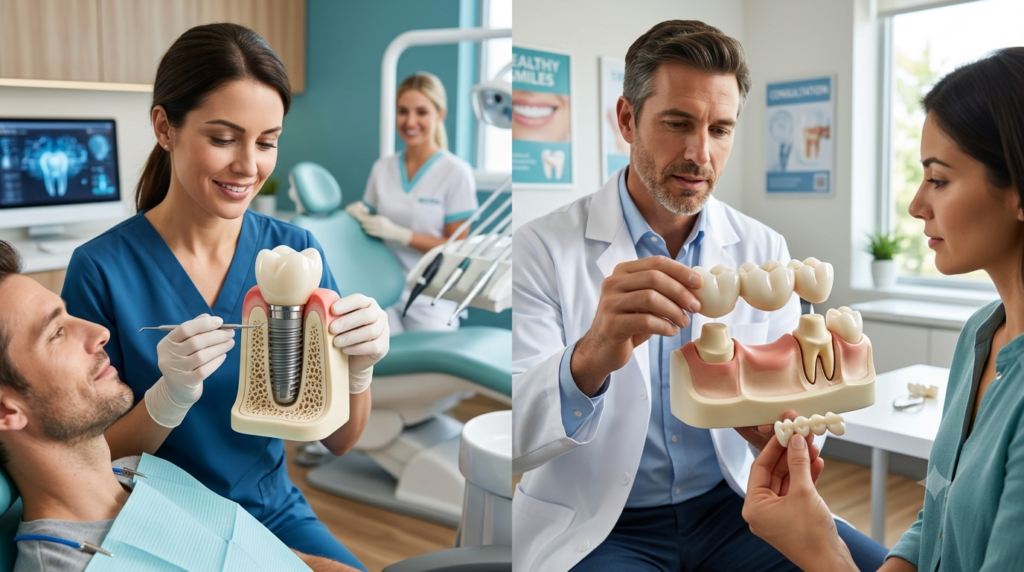
A dental bridge is a restorative dental treatment used to replace one or more missing teeth. It “bridges” the gap by anchoring an artificial tooth (or teeth) to the natural teeth or dental implants on either side.

A traditional dental bridge includes:

  • Abutment teeth (supporting natural teeth)
  • Crowns placed over those teeth
  • A false tooth (pontic) in between

Dental bridges restore chewing function, prevent shifting of surrounding teeth, and improve smile aesthetics.

Does the Dental Bridge Procedure Hurt?

During the Procedure

Most patients report little to no pain during the dental bridge procedure. The dentist uses local anesthesia to numb the area, so you should not feel pain while your teeth are being prepared.

To prepare for a bridge, the supporting teeth are reshaped slightly to allow room for crowns. Because the area is numbed, this process is typically comfortable.

You may feel:

  • Mild pressure
  • Vibration from dental instruments
  • Temporary numbness

If you are anxious, many clinics offer sedation options to make the experience even more relaxing.

After the Procedure

Once the anesthesia wears off, it is normal to experience mild soreness or sensitivity. This usually lasts a few days and is manageable with over-the-counter pain relievers.

Common post-procedure sensations include:

  • Mild gum tenderness
  • Tooth sensitivity to hot or cold
  • Slight jaw soreness

These symptoms are temporary and generally resolve quickly.

What About Temporary Bridges?

In many cases, your dentist will place a temporary bridge while your permanent one is being fabricated. Temporary bridges protect the prepared teeth and maintain function.

You may experience:

  • Slight sensitivity
  • Minor irritation
  • Mild chewing discomfort

This phase is short-term, and the permanent bridge typically feels more secure and natural.

Will Eating Hurt with a Dental Bridge?

Eating may feel slightly different for the first few days. It’s advisable to stick to softer foods initially and avoid very hard or sticky items.

Once fully adjusted, most patients can:

  • Chew comfortably
  • Eat a normal diet
  • Speak clearly
  • Smile confidently

If discomfort persists beyond a week, it’s important to contact your dentist for evaluation.

What If My Dental Bridge Feels Uncomfortable?

A properly fitted dental bridge should feel natural and stable. However, if you experience:

  • Persistent pain
  • Pressure when biting
  • Gum swelling
  • Difficulty chewing

It may mean the bite needs adjustment. A simple visit to your dentist can resolve these issues quickly.

Factors That Influence Comfort

Several factors can affect how comfortable your dental bridge feels:

Tooth Sensitivity

If the supporting teeth were already sensitive, you may notice temporary discomfort during the healing phase.

Gum Health

Healthy gums heal faster and adapt more comfortably to the bridge. Pre-existing gum inflammation may cause temporary tenderness.

Bite Alignment

Proper bite alignment is essential. Even small adjustments can significantly improve comfort.

How Long Does It Take to Adjust to a Dental Bridge?

Most patients adapt within a few days to two weeks. During this period, your mouth is adjusting to the new structure.

You may notice:

  • Increased awareness of the bridge
  • Minor speech adjustments
  • Slight pressure when chewing

With time, the bridge feels like a natural part of your mouth.

Tips for a Smooth Recovery

To minimize discomfort and promote healing:

  • Avoid very hard or sticky foods initially
  • Maintain excellent oral hygiene
  • Use a soft-bristled toothbrush
  • Rinse with warm salt water if gums feel sore
  • Follow your dentist’s aftercare instructions

Proper care helps ensure long-term comfort and durability.

Are Dental Bridges More Painful Than Other Treatments?

Compared to procedures like tooth extractions or dental implant surgery, dental bridges are generally less invasive and involve minimal recovery time.

Most patients describe the experience as mild and manageable, especially when performed by an experienced dental professional.

So, do dental bridges hurt? For most patients, the answer is no. The procedure is performed under local anesthesia, and any post-treatment discomfort is usually mild and temporary.

Dental bridges are a safe, effective, and relatively comfortable way to restore missing teeth and improve oral function. If you’re feeling anxious, discussing your concerns with your dentist can help you feel more confident and prepared.

If you’re considering a dental bridge or have questions about replacing missing teeth, schedule a consultation with your dental clinic today. A personalized assessment will help you restore your smile comfortably and confidently.

Can You Drive After a Tooth Extraction? Dentist Advice

Can You Drive After a Tooth Extraction? Dentist Advice

Tooth extraction is a common dental procedure performed to relieve pain, remove damaged teeth, or prepare for orthodontic treatment. While most patients focus on pain and eating restrictions, one important question often comes up: Can you drive after a tooth extraction?

The answer depends on several factors, including the type of extraction, anesthesia used, and how you feel after the procedure. In this blog, we’ll explain when it’s safe to drive, when you should avoid driving, and dentist-approved recovery tips to stay safe.

Understanding Tooth Extraction and Anesthesia

Tooth extraction can be simple or surgical:

  • Simple extraction: Performed on visible teeth using local anesthesia.
  • Surgical extraction (e.g., wisdom teeth): May require sedation or general anesthesia.

The type of anesthesia plays a major role in determining whether you can drive afterward.

Can You Drive After a Tooth Extraction? Short Answer

👉 You can drive after a simple tooth extraction with local anesthesia, if you feel alert and comfortable.
👉 You should NOT drive if you received sedation, general anesthesia, or feel dizzy, drowsy, or in pain.

Let’s break this down in detail.

When It’s Safe to Drive After Tooth Extraction

You may be able to drive yourself home if:

  • You received local anesthesia only (numbing injection in the mouth).
  • You feel fully alert and oriented after the procedure.
  • You are not experiencing severe pain, dizziness, or bleeding.
  • You are not prescribed strong sedatives or narcotic pain medications immediately after treatment.

Dentist Tip: Even with local anesthesia, numbness in your mouth can feel strange, but it does not affect your driving ability.

When You Should NOT Drive After Tooth Extraction

Avoid driving in the following situations:

  1. Sedation or General Anesthesia

If you received:

  • IV sedation
  • Oral sedatives
  • Nitrous oxide (laughing gas)
  • General anesthesia

These can impair reflexes, judgment, and coordination for several hours. Driving in this condition is unsafe and often legally discouraged.

  1. Strong Pain Medications

Dentists may prescribe opioid or sedative painkillers. These medications can cause:

  • Drowsiness
  • Blurred vision
  • Slowed reaction time

If you take these medications, do not drive or operate machinery.

  1. Dizziness or Weakness

Some patients feel lightheaded due to:

  • Anxiety
  • Low blood sugar
  • Blood loss
  • Stress from the procedure

If you feel dizzy or shaky, wait until you feel stable before driving.

  1. Surgical Tooth Extraction (Wisdom Teeth Removal)

Surgical procedures are more invasive and often involve sedation. Most dentists recommend arranging a ride home and resting for the rest of the day.

How Long Should You Wait Before Driving?

The waiting time depends on the procedure and anesthesia type:

  • Local anesthesia: You can usually drive immediately if you feel fine.
  • Nitrous oxide: Wait until the dentist confirms the effects have fully worn off (usually 15–30 minutes).
  • IV sedation or general anesthesia: Wait at least 24 hours before driving.
  • After taking narcotic pain meds: Avoid driving until the medication effects wear off.

Always follow your dentist’s specific instructions.

Safety Tips for Driving After Tooth Extraction

If you plan to drive, follow these dentist-approved safety tips:

  1. Eat a Light Meal Before Your Appointment

Low blood sugar can cause dizziness. Eating beforehand can help you feel stable.

  1. Rest for a Few Minutes After the Procedure

Sit in the dental chair or waiting area until you feel steady and alert.

  1. Avoid Driving Long Distances

Even after a simple extraction, you may feel tired. Short trips are safer.

  1. Have a Backup Ride

If you’re unsure how you’ll feel, arrange a family member or friend to drive you home.

  1. Avoid Driving with Gauze in Your Mouth

Make sure you’re comfortable and not distracted by bleeding or discomfort.

Common Concerns After Tooth Extraction

Can numbness affect driving?

No. Local anesthesia only numbs the mouth and does not affect your motor skills or vision.

What if I feel pain while driving?

Mild discomfort is normal, but severe pain can be distracting. If pain worsens, pull over safely and take prescribed medication.

Is it safe to drive after a wisdom tooth extraction?

Usually no, especially if sedation was used. Arrange a ride and rest for the day.

Why Dentists Recommend Caution

Driving requires focus, coordination, and quick reactions. Sedation, stress, or medications can impair these abilities. Dentists prioritize patient safety and often advise against driving if there is any risk.

Post-Extraction Recovery Tips

To heal faster and avoid complications:

  • Bite on gauze to control bleeding.
  • Avoid smoking and alcohol for at least 24 hours.
  • Eat soft foods like yogurt, soup, and smoothies.
  • Avoid strenuous activity for 24–48 hours.
  • Take prescribed medications as directed.
  • Follow up with your dentist if pain, swelling, or bleeding persists.

When to Contact Your Dentist

Call your dental clinic if you experience:

  • Excessive bleeding
  • Severe pain after 2–3 days
  • Fever or swelling
  • Bad taste or pus (sign of infection)
  • Difficulty opening your mouth

Early treatment prevents serious complications.

Book Your Tooth Extraction Consultation Today

At our dental clinic, we prioritize comfort, safety, and expert care. Contact us today to schedule your appointment and receive personalized post-treatment guidance.

What to Do in the First 60 Minutes After a Dental Injury

What to Do in the First 60 Minutes After a Dental Injury

Dental injuries can happen unexpectedly—during sports, accidents, falls, or even while eating. When a tooth is chipped, knocked loose, or completely knocked out, the first 60 minutes are critical. Acting quickly and correctly can mean the difference between saving or losing a tooth.

In this guide, we’ll walk you through exactly what to do in the first hour after a dental injury, how to manage pain safely, and when to seek emergency dental care.

Why the First 60 Minutes Matter in a Dental Emergency

The first hour after a dental injury is often referred to as the “golden hour.” During this time:

  • Tooth cells are still alive
  • Damage can often be minimized
  • Infection risk is lower
  • Dentists have a higher chance of saving the tooth

Prompt action not only protects your smile but also helps avoid complex and costly treatments later.

Step-by-Step: What to Do Immediately After a Dental Injury

  1. Stay Calm and Assess the Injury

Take a moment to assess the situation:

  • Is there bleeding?
  • Is the tooth chipped, loose, or missing?
  • Is there swelling or severe pain?

If there is heavy bleeding or facial trauma, seek emergency medical care immediately before dental treatment.

  1. Control Bleeding Safely

If the mouth is bleeding:

  • Gently rinse with clean water
  • Apply light pressure using clean gauze or a soft cloth
  • Avoid aggressive rinsing or spitting, as this can worsen bleeding

Bleeding that doesn’t stop after 10–15 minutes needs urgent dental attention.

  1. If a Tooth Is Knocked Out (Avulsed Tooth)

This is one of the most serious dental injuries.

Do this immediately:

  • Pick up the tooth by the crown only (not the root)
  • Do not scrub or clean the root
  • If dirty, gently rinse with saline or milk (not tap water)

Best options for storage:

  • Place the tooth back into the socket if possible
  • Or store it in milk, saline, or saliva
  • Avoid dry storage at all costs

Get to a dentist within 30–60 minutes for the best chance of saving the tooth.

  1. If the Tooth Is Chipped or Broken

For chipped or fractured teeth:

  • Rinse your mouth with warm water
  • Save any broken pieces, if available
  • Apply a cold compress to reduce swelling
  • Avoid chewing on the injured side

Even small chips can expose nerves or lead to infection if untreated.

  1. If a Tooth Is Loose or Shifted

Do not attempt to straighten or force the tooth back:

  • Keep the area clean
  • Avoid biting down
  • Apply a cold compress

Loose teeth require immediate evaluation to prevent permanent damage.

  1. Manage Pain the Right Way

Pain is common after dental trauma, but it’s important to manage it safely:

  • Use a cold compress (10 minutes on, 10 minutes off)
  • Take over-the-counter pain relief if advised
  • Avoid aspirin directly on gums—this can cause chemical burns

Persistent or worsening pain is a sign you need urgent dental care.

What NOT to Do After a Dental Injury

❌ Don’t ignore the injury, even if pain is mild
❌ Don’t use home remedies like clove oil or alcohol
❌ Don’t delay seeing a dentist
❌ Don’t touch the root of a knocked-out tooth

Delays and improper handling can lead to infection, tooth loss, or long-term oral health issues.

When to See an Emergency Dentist

You should contact an emergency dentist immediately if:

  • A tooth is knocked out or loose
  • There is severe pain or swelling
  • Bleeding doesn’t stop
  • A child experiences dental trauma
  • You notice pus, fever, or signs of infection

Many dental clinics offer same-day emergency appointments, especially for trauma cases.

How a Dentist Treats Dental Injuries

Depending on the injury, treatment may include:

  • Repositioning and splinting a loose tooth
  • Root canal therapy
  • Dental bonding or crowns
  • Tooth reimplantation
  • Infection control and pain management

Early treatment improves outcomes and often reduces the need for invasive procedures.

Act Fast to Protect Your Smile

Dental injuries are stressful, but knowing what to do in the first 60 minutes can make all the difference. Quick action, proper handling, and immediate dental care significantly increase the chances of saving your tooth and preventing complications.

If you or a loved one experiences a dental injury, don’t wait—contact your dental clinic right away for expert emergency care.

Need Emergency Dental Care?

Our experienced dental team is here to help when it matters most. Call us immediately to get prompt, compassionate care and protect your smile.

How to Choose a Toothbrush (Beyond Bristles & Color)

How to Choose a Toothbrush (Beyond Bristles & Color)

Walk down the oral care aisle of any store and you’ll see dozens of toothbrushes—bright colors, fancy handles, promises of “deep clean,” and features that sound more like tech gadgets than dental tools. With so many options, choosing a toothbrush can feel surprisingly overwhelming.

But here’s the truth: the right toothbrush isn’t about color, branding, or price—it’s about what works best for your mouth. As dental professionals, we often see patients using brushes that actually harm their gums or fail to clean effectively.

In this guide, we’ll help you understand how to choose a toothbrush beyond bristles and color, so you can protect your teeth, gums, and overall oral health.

  1. Soft, Medium, or Hard? Why Bristle Type Still Matters

Let’s clear up a common myth: hard bristles clean better.
They don’t.

Dentists overwhelmingly recommend soft-bristled toothbrushes for most people. Why?

  • They remove plaque effectively
  • They are gentle on gums
  • They reduce the risk of enamel wear
  • They prevent gum recession over time

Medium and hard bristles may feel “stronger,” but they can cause microscopic damage to enamel and irritate sensitive gums—especially if you brush aggressively.

Pro tip: If you notice bleeding gums or sensitivity, switch to a soft-bristle brush immediately and consult your dentist.

  1. Manual vs Electric Toothbrush: Which Is Better?

Both manual and electric toothbrushes can clean teeth well—if used correctly. However, electric toothbrushes offer some advantages:

Electric Toothbrush Benefits

  • Built-in timers for proper brushing duration
  • Oscillating or sonic movements remove plaque more efficiently
  • Ideal for people with limited hand mobility
  • Encourages better brushing habits

Manual Toothbrush Benefits

  • Affordable and easy to replace
  • Effective when used with proper technique
  • Great for travel and backup use

If you struggle with brushing thoroughly or consistently, an electric toothbrush may be a smart upgrade. Otherwise, a quality manual toothbrush paired with good technique works just fine.

  1. Head Size Matters More Than You Think

One of the most overlooked toothbrush features is head size.

A brush head that’s too large:

  • Misses hard-to-reach areas
  • Makes cleaning back molars difficult
  • Reduces overall effectiveness

Dentists recommend a small to medium-sized head that can comfortably reach all areas of your mouth, especially the back teeth where plaque tends to build up the most.

  1. Handle Design: Comfort = Better Cleaning

A toothbrush handle isn’t just about aesthetics. The right handle can significantly improve control and comfort.

Look for:

  • A non-slip grip
  • A handle that feels comfortable in your hand
  • Good balance and flexibility

If brushing feels awkward or uncomfortable, you’re less likely to brush thoroughly—and consistency is key to oral health.

  1. Toothbrushes for Specific Dental Needs

Not all mouths are the same. Your toothbrush choice should reflect your unique oral health needs.

For Sensitive Teeth or Gums

  • Ultra-soft bristles
  • Gentle brushing motion
  • Smaller brush head

For Braces or Aligners

  • Orthodontic toothbrushes
  • Electric brushes with orthodontic heads
  • Interdental brushes for detailed cleaning

For Kids

  • Age-appropriate size
  • Soft bristles
  • Fun designs to encourage regular brushing

If you’re unsure, your dentist can recommend the best toothbrush for your specific condition.

  1. How Often Should You Replace Your Toothbrush?

Using an old toothbrush is like cleaning with a worn-out broom—it just doesn’t work.

Replace your toothbrush:

  • Every 3 to 4 months
  • After an illness
  • When bristles become frayed or bent

Worn bristles lose effectiveness and can harbor bacteria, putting your oral health at risk.

  1. Certifications & Dentist Recommendations

When choosing a toothbrush, look for approval from recognized dental associations. These certifications ensure the brush meets safety and effectiveness standards.

Better yet, ask your dentist during your next checkup. A professional recommendation tailored to your oral health is always the best option.

The Best Toothbrush Is the One You’ll Use Correctly

Choosing the right toothbrush goes far beyond bristles and color. It’s about comfort, effectiveness, and consistency. A well-chosen toothbrush—used twice daily with proper technique—can significantly reduce cavities, gum disease, and long-term dental issues.

If you’re still unsure which toothbrush is right for you, our dental experts are here to help. During your next visit, we’ll guide you toward the best oral care tools for your smile.

👉 Schedule an appointment today and take the first step toward healthier teeth and gums.

What Happens Inside Your Jaw After an Implant — Why It’s More Than Just a Replacement Tooth

What Happens Inside Your Jaw After an Implant — Why It’s More Than Just a Replacement Tooth

When most people think of a dental implant, they imagine a replacement tooth that looks and feels natural. But what actually makes implants so successful isn’t just what you see above the gumline—it’s what happens inside your jaw after placement.

Unlike dentures or bridges, dental implants interact with your bone, muscles, and bite in a way that closely mimics a natural tooth. This biological integration is the reason implants are considered the gold standard for tooth replacement.

Let’s explore what truly happens inside your jaw after a dental implant—and why it’s much more than cosmetic restoration.

The Moment After Tooth Loss: Why the Jaw Changes

When a natural tooth is lost, the jawbone beneath it begins to change almost immediately.

Here’s why:

  • Natural tooth roots stimulate the jawbone during chewing
  • Without stimulation, the bone begins to shrink and weaken
  • This process, called bone resorption, can start within months

Over time, bone loss can:

  • Alter facial structure
  • Affect neighboring teeth
  • Make future tooth replacement more complex

Dental implants are the only solution that addresses this problem at its root—literally.

Step 1: Implant Placement — Replacing the Tooth Root

A dental implant isn’t just a crown (the visible tooth). It consists of three parts:

  1. Titanium implant post (acts as an artificial root)
  2. Abutment (connector)
  3. Crown (the visible tooth)

During implant surgery, the titanium post is placed directly into the jawbone where the tooth root once existed. This is where the real transformation begins.

Titanium is biocompatible, meaning your body recognizes it as safe—and even welcomes it.

Step 2: Osseointegration — The Jawbone Bonds with the Implant

One of the most remarkable processes after implant placement is osseointegration.

What is osseointegration?

It’s the process where:

  • Jawbone cells grow around the implant
  • The bone fuses directly to the titanium surface
  • The implant becomes a permanent part of your jaw

This usually takes 3–6 months, depending on bone health and overall oral care.

Unlike dentures that rest on the gums, implants become anchored in bone—just like natural teeth.

Step 3: Bone Preservation & Strength Restoration

Because implants stimulate the jaw during chewing, they:

  • Prevent further bone loss
  • Maintain jawbone density
  • Preserve facial structure

This is a critical reason dentists recommend implants over traditional tooth replacement options. Dentures and bridges do not stimulate bone, which means bone loss continues beneath them.

Dental implants actively protect your jaw’s long-term health.

Step 4: Bite Force & Muscle Balance Return

Natural teeth transmit chewing forces evenly through the jaw. Missing teeth—or removable dentures—disrupt this balance.

Once an implant integrates:

  • Chewing force is restored almost to natural levels
  • Jaw muscles work more efficiently
  • Bite alignment improves

Many patients report:

  • Better chewing power
  • Less jaw fatigue
  • Improved comfort while eating

This functional stability is why implants feel like real teeth—not replacements.

Step 5: Nerve Awareness & Sensory Adaptation

While implants don’t have nerves like natural teeth, the surrounding tissues adapt remarkably well.

Your brain learns:

  • How much pressure to apply while chewing
  • How to coordinate the implant with natural teeth

Over time, most patients forget which tooth is the implant—because functionally, it behaves like one.

Why Dental Implants Are More Than Cosmetic

Dental implants don’t just fill a gap. They:

  • Restore jawbone health
  • Preserve facial aesthetics
  • Improve digestion by enabling proper chewing
  • Support long-term oral stability

This makes implants a medical and functional solution, not just a cosmetic one.

Are You a Candidate for Dental Implants?

You may be a good candidate if you:

  • Have one or more missing teeth
  • Have adequate jawbone (or are open to bone grafting)
  • Maintain good oral hygiene
  • Are looking for a long-term solution

A thorough dental evaluation, including X-rays or 3D scans, helps determine the best treatment plan.

A Strong Foundation for a Confident Smile

A dental implant doesn’t simply replace what’s missing—it rebuilds what was lost beneath the surface. From bone regeneration to bite stability, the changes inside your jaw are what make implants the most advanced tooth replacement option available today.

If you’re considering dental implants, understanding this internal process helps you appreciate why they last longer, feel better, and protect your oral health for years to come.

👉 Schedule a consultation with our dental clinic today to see if dental implants are right for you—and take the first step toward a stronger, healthier smile.

The “Healthy” Foods That Sabotage Your Smile

The “Healthy” Foods That Sabotage Your Smile

When it comes to nutrition, most people focus on calories, weight loss, and overall wellness. But here’s a truth many overlook: not all “healthy” foods are healthy for your teeth.
Yes, even the foods sitting on your “clean eating” list may be secretly eroding enamel, feeding harmful bacteria, or increasing your cavity risk.

In this guide, we break down the top smile-sabotaging foods, why they cause harm, and smarter alternatives to keep both your body and your oral health in great shape.


1. Citrus Fruits — Immunity Boosting, Enamel Eroding

Lemons, oranges, grapefruits, and limes are nutrient-packed and great for immunity. But their high acidity makes them among the strongest enamel eroders. Continuous exposure weakens the tooth surface, making your smile more vulnerable to decay and sensitivity.


How to enjoy safely:

  • Eat citrus fruits with meals, not alone.
  • Rinse with water after consuming.
  • Avoid sucking on lemons or drinking lemon water throughout the day.


2. Dried Fruits — The “Healthy Snack” That Sticks Around

Raisins, apricots, dates, and prunes are fiber-rich and natural, but they come with a hidden danger: stickiness + concentrated sugar.
Dried fruits cling to teeth, creating the perfect environment for cavity-causing bacteria.


Better alternatives:

  • Fresh fruit instead of dried
  • Nuts or seeds for mid-day snacking
  • If you eat dried fruits, rinse and brush after 30 minutes


3. Smoothies — Vitamin-Packed but Acidic and Sugary

Smoothies have a “health halo,” especially in modern diet culture. However, most smoothies (even homemade ones) contain a high sugar load from fruit, yogurt, milk alternatives, and sweeteners. The constant sipping also exposes your teeth to sugar and acid for longer periods.


How to make them tooth-friendly:

  • Add veggies (spinach, kale) to balance sugar
  • Skip honey or syrups
  • Drink through a straw to reduce tooth exposure


4. Flavored Yogurt — Good for Gut Health, Bad for Your Smile

Although yogurt is known for its calcium and probiotics, flavored versions contain as much sugar as desserts. Even “low-fat” yogurts tend to be worse because manufacturers add extra sugar for taste.


Healthier picks:

  • Plain Greek yogurt + fresh fruit
  • Unsweetened yogurt with a drizzle of honey (very minimal!)
  • Check labels for added sugar content


5. Kombucha — Trendy but Tough on Enamel

This probiotic drink is popular among health enthusiasts, but it is acidic and often contains added sugars. Its pH level alone is enough to soften enamel.


If you love kombucha:

  • Drink it in one sitting (don’t sip it all day)
  • Use a straw
  • Rinse with water immediately after


6. Nut Butters — Protein Rich but Sticky

Peanut butter and almond butter offer healthy fats and protein, but they’re sticky and often contain added sugars. The stickiness lets bacteria feast for hours.


To minimize damage:

  • Choose no-sugar-added versions
  • Pair with crunchy foods like apples or carrots
  • Drink water after eating


7. Crackers & Whole-Grain Snacks — The “Healthy Carb” Myth

Whole-grain crackers, granola bars, and baked chips are often labeled as healthy. But once they break down, carbs convert into sugars that feed bacteria. Their starchy texture also causes them to lodge between teeth.


Smart swaps:

  • Choose high-fiber veggies or nuts
  • Don’t snack frequently — give your mouth time to reset
  • Brush and floss daily to remove trapped starches


8. Sparkling Water — Better Than Soda, But Still Acidic

While sparkling water is seen as a healthier alternative to soda, flavored or carbonated versions can still lower mouth pH and weaken enamel.


What dentists recommend:

  • Stick to plain water
  • Limit flavored or carbonated varieties
  • Avoid brushing immediately after drinking acidic beverages


9. Sports Drinks — “Hydrating” but Loaded With Sugar

Many people choose sports drinks after workouts to rehydrate. But these drinks often contain acids and very high sugar content, putting them in a similar category as sodas for dental harm.


Safer choices:

  • Regular water
  • Coconut water (unsweetened)
  • Electrolyte tablets in plain water


Why “Healthy” Doesn’t Always Mean “Dental-Friendly”

Your overall health and oral health are closely connected—but they don’t always benefit from the same foods. The main culprits that sabotage a healthy smile include:

  • Acidity → weakens enamel
  • Sticky textures → cling to teeth
  • High sugar content → feeds bacteria
  • Frequent snacking → keeps acid levels high

Being mindful of how and when you consume these foods can make a big difference.


How to Enjoy Healthy Foods Without Damaging Your Teeth

To keep your teeth strong while still enjoying nutritious foods:

✔ Drink plenty of water throughout the day
✔ Eat sugary or acidic foods with meals
✔ Use a straw for acidic beverages
✔ Chew sugar-free gum after meals to stimulate saliva
✔ Avoid constant snacking
✔ Maintain regular brushing and flossing habits
✔ Visit your dentist every 6 months

A balanced diet + consistent dental care = a healthier smile for life.

Not all healthy foods are as smile-friendly as they appear, but that doesn’t mean you need to eliminate them. The goal is awareness. When you understand how certain foods affect your teeth, you can enjoy a nutritious diet without compromising your oral health.

We are required by federal and state law to maintain the privacy and security of your protected health information.

You will be provided with the full privacy practices notice upon booking your appointment with us.

X