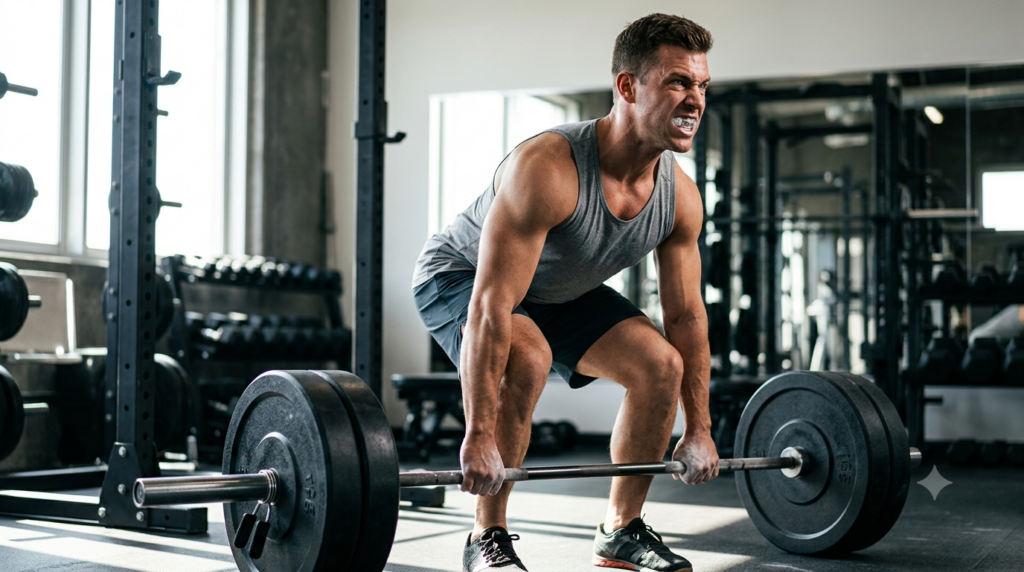
Weightlifting is an excellent way to build strength, improve bone density, and support overall health. However, many athletes and fitness enthusiasts don’t realize that lifting heavy weights can also have an impact on their oral health.
From teeth grinding and jaw pain to cracked teeth and damaged dental restorations, intense weightlifting may place unexpected stress on your mouth. Understanding these risks can help you protect your smile while pursuing your fitness goals.
Can Weightlifting Really Affect Your Teeth?
Yes. While lifting weights doesn’t directly damage your teeth, the physical strain associated with heavy lifting can lead to habits and conditions that negatively affect your oral health.
Many lifters unknowingly clench their jaws during intense exercises such as squats, deadlifts, and bench presses. Over time, repeated jaw clenching can cause excessive pressure on the teeth and surrounding muscles.
How Weightlifting Can Impact Your Oral Health
- Teeth Clenching During Heavy Lifts
One of the most common habits among weightlifters is clenching the jaw to stabilize the body during strenuous lifts.
Although it may feel natural, excessive clenching can place hundreds of pounds of force on your teeth, leading to:
- Tooth wear
- Small cracks in the enamel
- Chipped teeth
- Increased tooth sensitivity
- Pain while chewing
People who already grind their teeth at night may experience even greater damage if they also clench during workouts.
- Jaw Pain and TMJ Disorders
The temporomandibular joints (TMJs) connect your jaw to your skull and allow you to speak, chew, and yawn.
Constant jaw tension during weightlifting can strain these joints and surrounding muscles, causing symptoms such as:
- Jaw soreness
- Clicking or popping sounds
- Difficulty opening the mouth fully
- Facial pain
- Headaches
Ignoring these symptoms may allow the condition to worsen over time.
- Increased Risk of Chipped or Cracked Teeth
If you already have weakened enamel, large fillings, crowns, or veneers, forceful jaw clenching can increase the likelihood of dental damage.
The repeated pressure generated during heavy lifting may contribute to:
- Hairline cracks
- Broken fillings
- Chipped crowns
- Fractured teeth
These injuries may not be immediately noticeable but can become painful if left untreated.
- Teeth Grinding Can Become Worse
People who experience nighttime teeth grinding (bruxism) may unknowingly add even more stress to their teeth by clenching while exercising.
The combination of daytime clenching and nighttime grinding can accelerate:
- Enamel wear
- Tooth sensitivity
- Gum recession
- Jaw muscle fatigue
Your dentist can identify signs of excessive wear during routine examinations.
- Sports Drinks and Tooth Enamel
Many weightlifters consume sports drinks or energy beverages before, during, or after workouts.
Although these drinks may help replenish electrolytes or provide energy, many contain high levels of sugar and acid that can erode tooth enamel.
Frequent consumption may increase the risk of:
- Tooth decay
- Enamel erosion
- Tooth sensitivity
- Cavities
Water is generally the best choice for hydration during most workouts. If you do drink sports beverages, rinse your mouth with water afterward and wait about 30 minutes before brushing your teeth.
Does Holding Your Breath While Lifting Affect Oral Health?
Many experienced lifters use a breathing technique known as the Valsalva maneuver, where they briefly hold their breath during heavy lifts to stabilize the core.
While this technique can improve lifting performance when used appropriately, it often coincides with intense jaw clenching. The combination may place additional pressure on the teeth and jaw muscles.
Proper lifting technique and avoiding unnecessary jaw tension can help reduce stress on your mouth.
How to Protect Your Teeth While Weightlifting
Fortunately, protecting your smile doesn’t mean giving up strength training.
Consider these simple tips:
- Stay aware of jaw clenching during lifts.
- Keep your jaw relaxed whenever possible.
- Stay hydrated throughout your workout.
- Limit sugary sports and energy drinks.
- Maintain excellent brushing and flossing habits.
- Visit your dentist regularly for preventive care.
If you have a history of teeth grinding or TMJ problems, your dentist may recommend additional protective measures.
Should You Wear a Mouthguard?
For recreational weightlifting, a mouthguard isn’t always necessary. However, if you:
- Clench your teeth heavily while lifting
- Have a history of cracked or chipped teeth
- Wear crowns, veneers, or extensive dental restorations
- Participate in powerlifting or competitive strength sports
your dentist may recommend a custom-made mouthguard or occlusal splint to reduce pressure on your teeth and jaw.
Unlike over-the-counter guards, custom appliances are designed specifically for your bite, offering greater comfort and protection.
When Should You See a Dentist?
Schedule an appointment if you experience:
- Jaw pain after workouts
- Frequent headaches
- Sensitive teeth
- Chipped or cracked teeth
- Clicking or locking of the jaw
- Tooth pain while biting
- Noticeable tooth wear
Early evaluation can help prevent more serious dental problems and preserve your long-term oral health.
Weightlifting offers tremendous health benefits, but the habits that often accompany heavy lifting—especially jaw clenching—can place unnecessary stress on your teeth and jaw.
By maintaining good oral hygiene, staying mindful of jaw tension, and seeking dental care when symptoms arise, you can continue working toward your fitness goals while protecting your smile. If you’re experiencing jaw discomfort or signs of tooth wear after lifting, your dentist can recommend personalized solutions to keep both your body and your oral health in peak condition.
